

WHY EDUCATION IS IMPORTANT
Because good care begins where understanding does.
I built my practice on a simple belief. A patient who understands her own physiology makes better decisions about her care. Everything I share on this page is meant to teach you something true about aesthetic medicine, so you can walk into any consultation informed and confident.
Why I Teach Before I Treat
Good aesthetic care begins with understanding. Before I recommend a single treatment, I want you to know what is happening beneath the skin, why it happens, and what your options actually do. My videos exist for that reason. They translate the science of aesthetic medicine into plain language, so the decisions you make are genuinely your own.
Aesthetic Treatments, Explained Simply
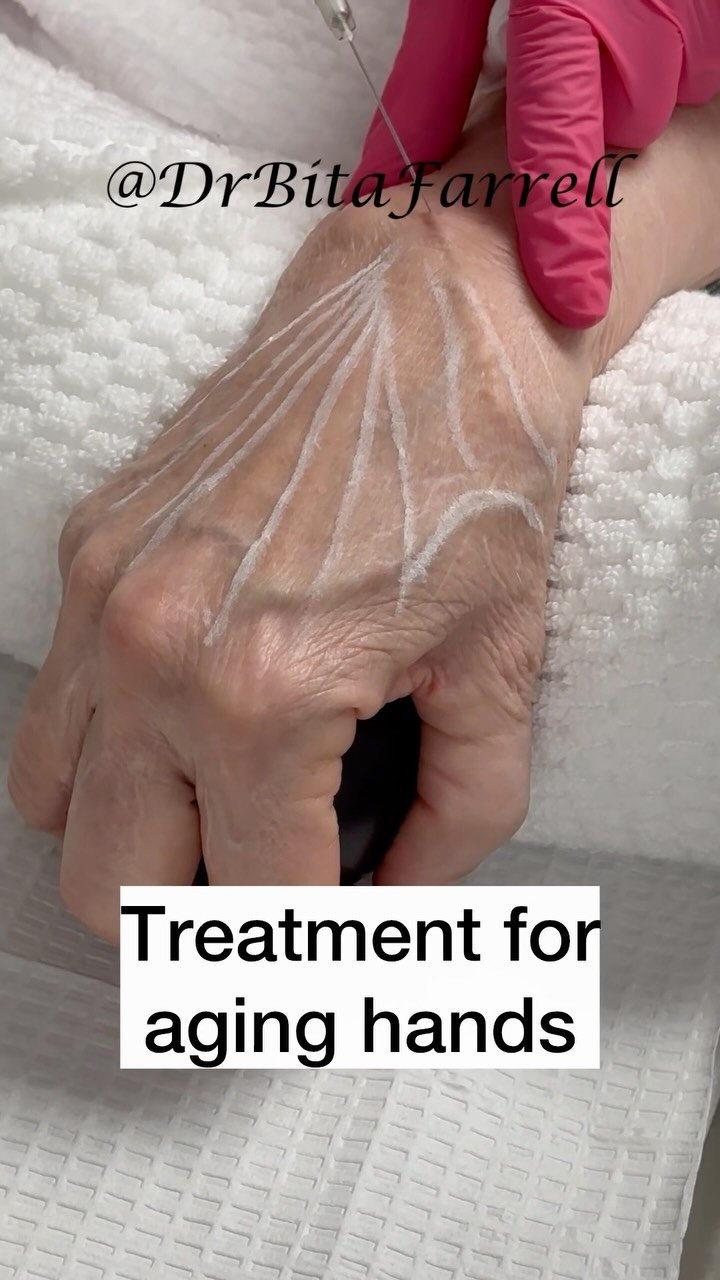
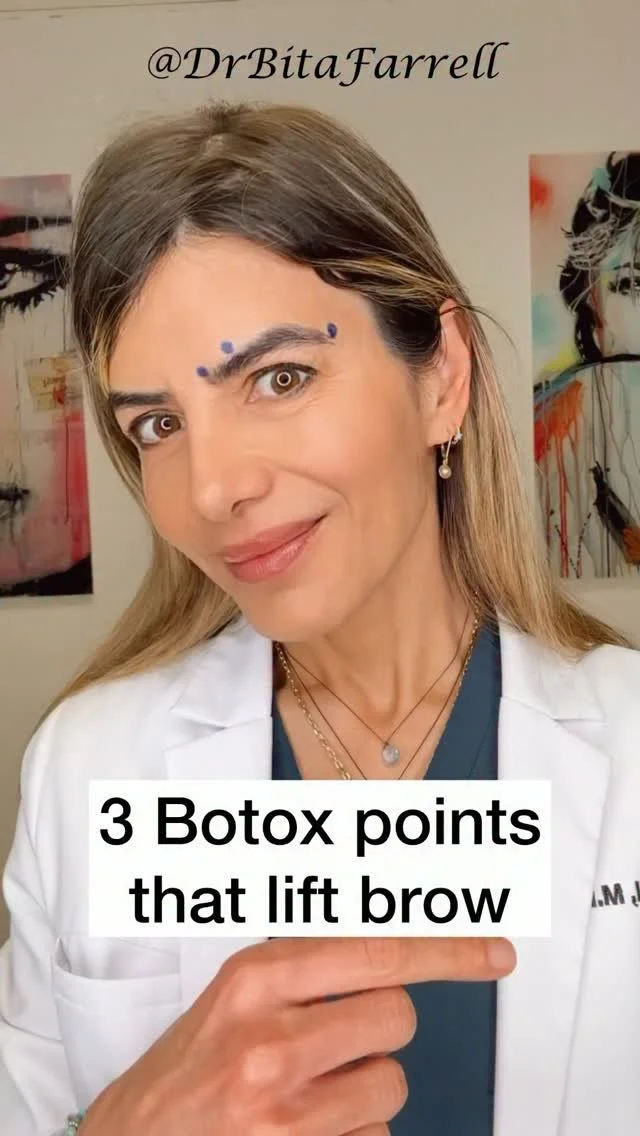
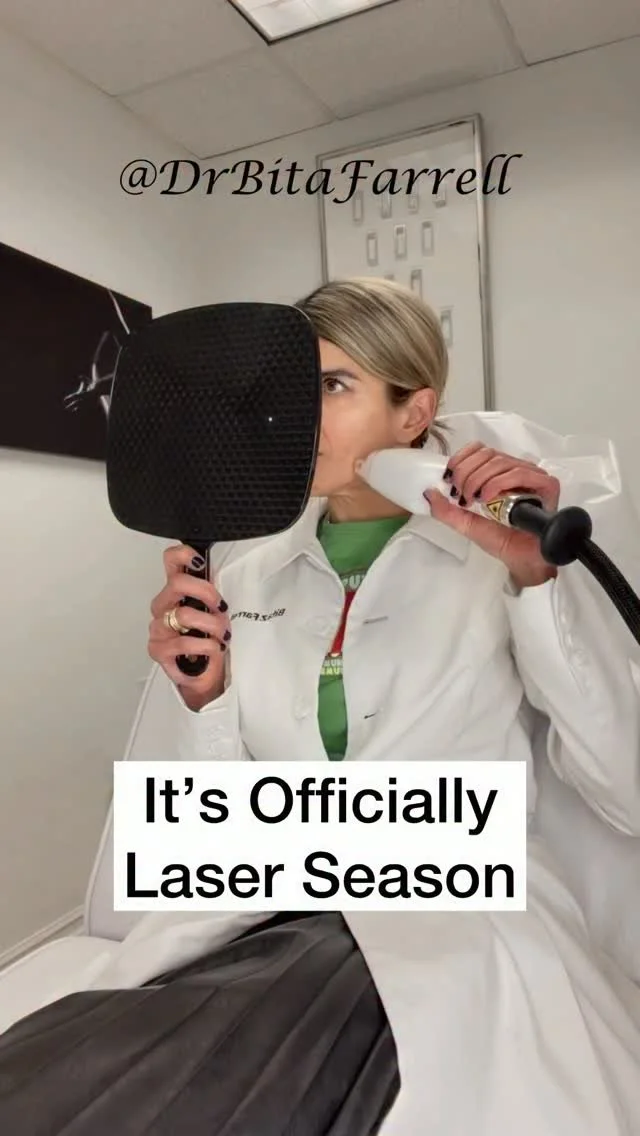
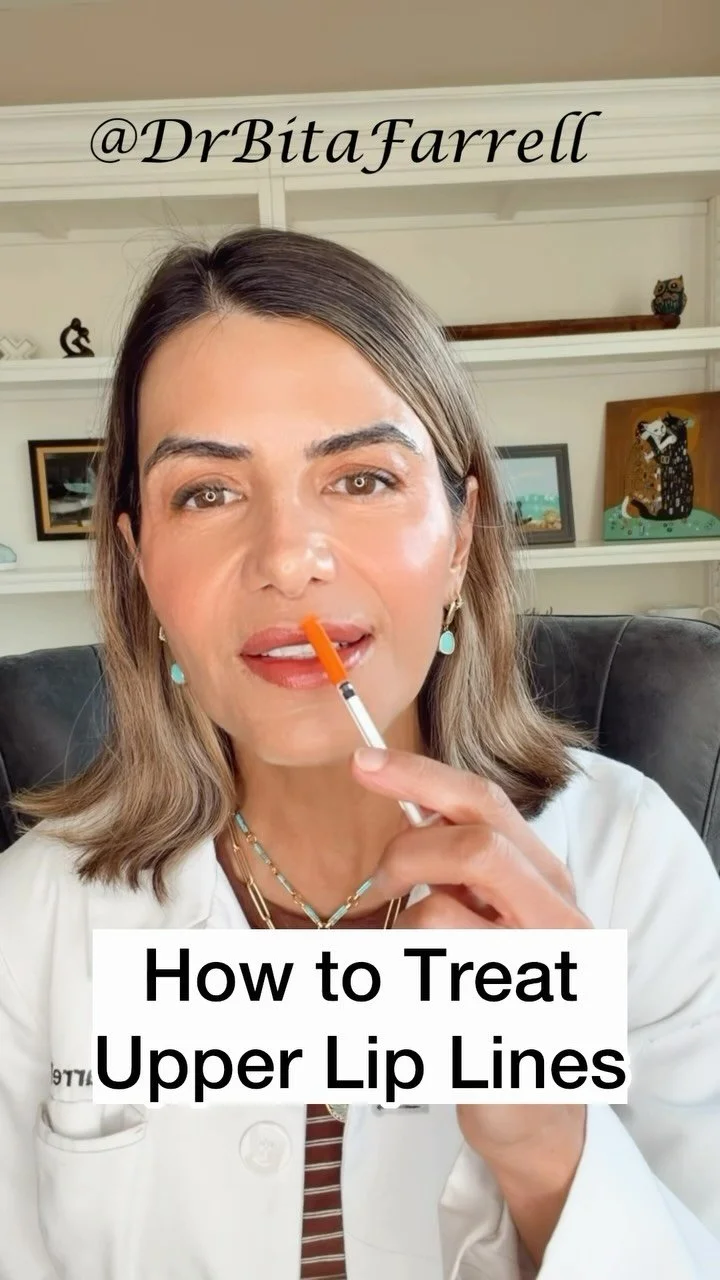
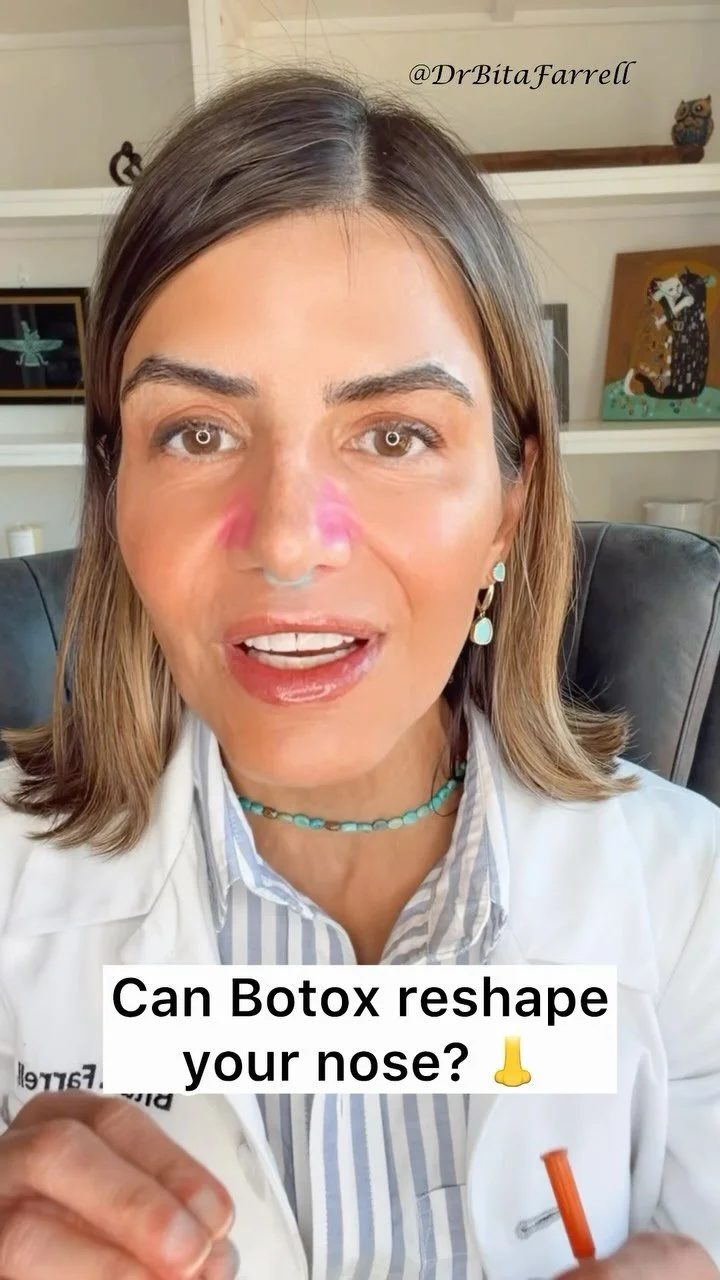
Each video takes a complex clinical concept and makes it clear. I walk you through the real mechanics of aging and facial structure: from correcting marionette lines and jowls to understanding how options like Ozempic affect facial volume. You will learn the true difference between traditional fillers and collagen biostimulators, and see how treatments such as a Botox brow lift, a Botox Nefertiti neck lift, or volume restoration with dermal fillers actually work. My goal is to help you make thoughtful, long-term decisions about your care.
Browse the videos below to see the reasoning behind the work.
The Questions Patients Ask Most
Most faces age in three ways at once: sinking as the fat pads lose volume, sagging as skin and ligaments loosen, and wrinkling from years of muscle movement. Each pattern calls for a different treatment, so knowing which one is driving your concern is where good care begins.
Why does the face age?
Jowls form from several changes at once: loss of collagen and volume, loosening ligaments, and the muscles that pull the lower face downward. Treatment is individualized and may include biostimulators, filler, targeted Botox to the DAO and platysma muscles, or surgery when laxity is more advanced.
Why do jowls form, and how are they treated?
To show what lower-face Botox can do, I treated the downward-pulling muscles on one side of my own face and left the other untreated. Two weeks later the treated side showed less pull, a softer marionette shadow, and a cheek that sat a little higher.
Can Botox lift the lower face?
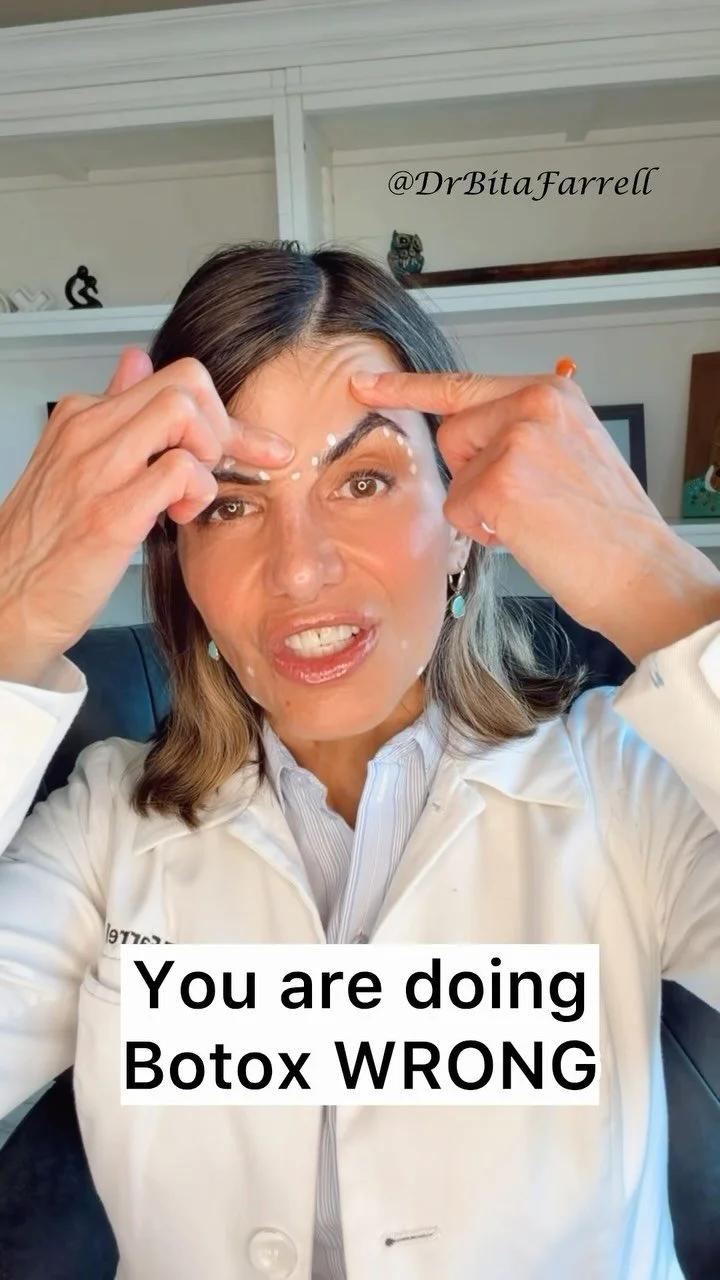
For years Botox followed fixed injection patterns that could treat too much in the forehead, around the eyes, or the jaw. I build each treatment around your individual anatomy, treating specific muscles conservatively so your natural expressions stay intact.
Why does where Botox is injected matter?
The muscle that circles the eye works as one unit, so relaxing only part of it can make the surrounding fibers pull inward and down, sometimes adding a new crease. This is why placement and dosing matter so much, and why I treat the area with the whole muscle's movement in mind.
Why can Botox make your eyes look older?
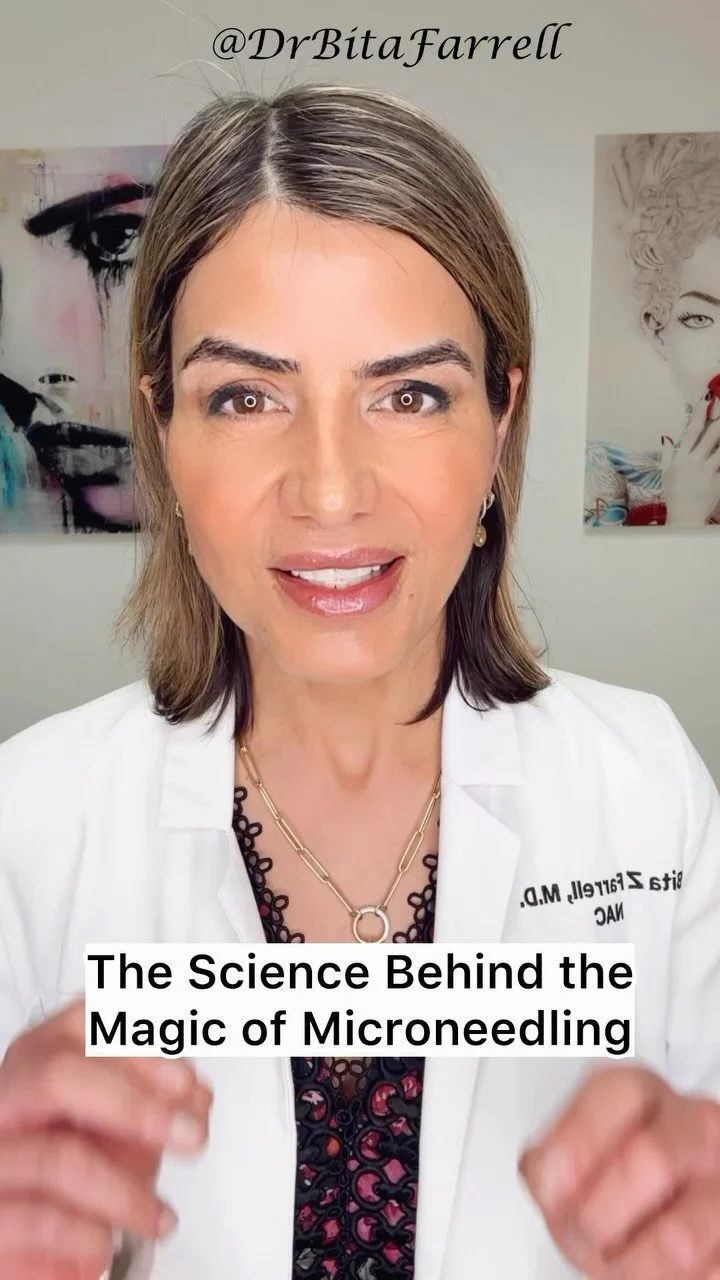
Microneedling creates controlled micro-injuries that trigger the skin's natural repair response, activating the fibroblasts that produce collagen and elastin. Over a series of treatments the skin rebuilds its own support, so results develop gradually and look natural.
How does microneedling rebuild collagen?
“Ozempic face” is a misnomer, since any major weight loss shrinks the facial fat pads and lets the skin above them sag, however the weight came off. Treatment is matched to the degree of change, from biostimulators and fillers for volume to radiofrequency microneedling, lasers, or surgery for skin laxity.
What is “Ozempic face,” and how is it treated?
How can you prevent “Ozempic face” during weight loss?
If you are losing significant weight, prioritize protein and resistance training and aim for a gradual loss of about half a pound to two pounds per week. Supporting the skin with biostimulators, microneedling, a retinoid, and vitamin C helps it keep pace as your body changes.
More From My Feed…
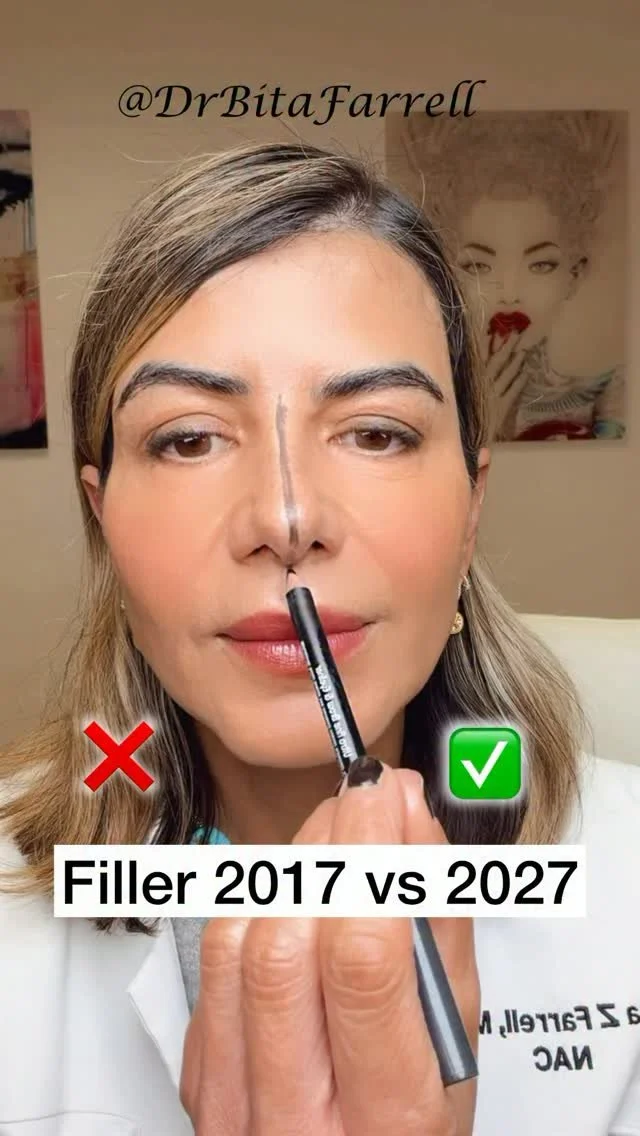

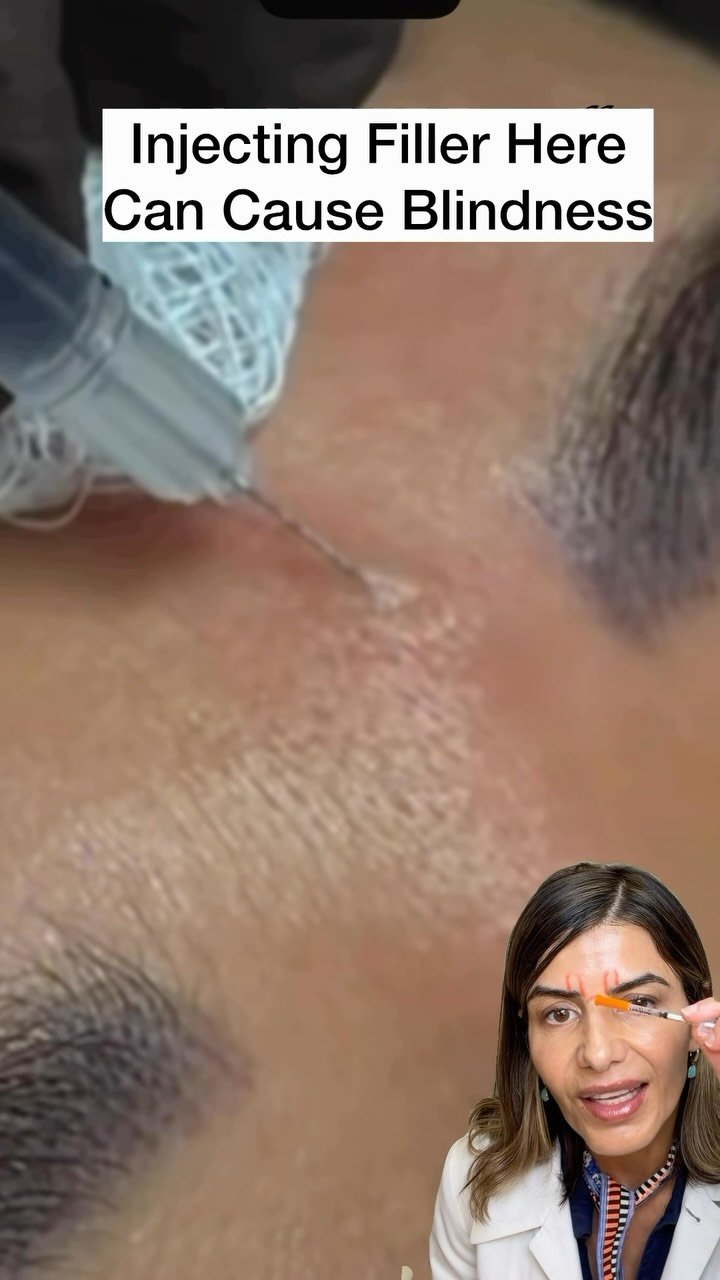
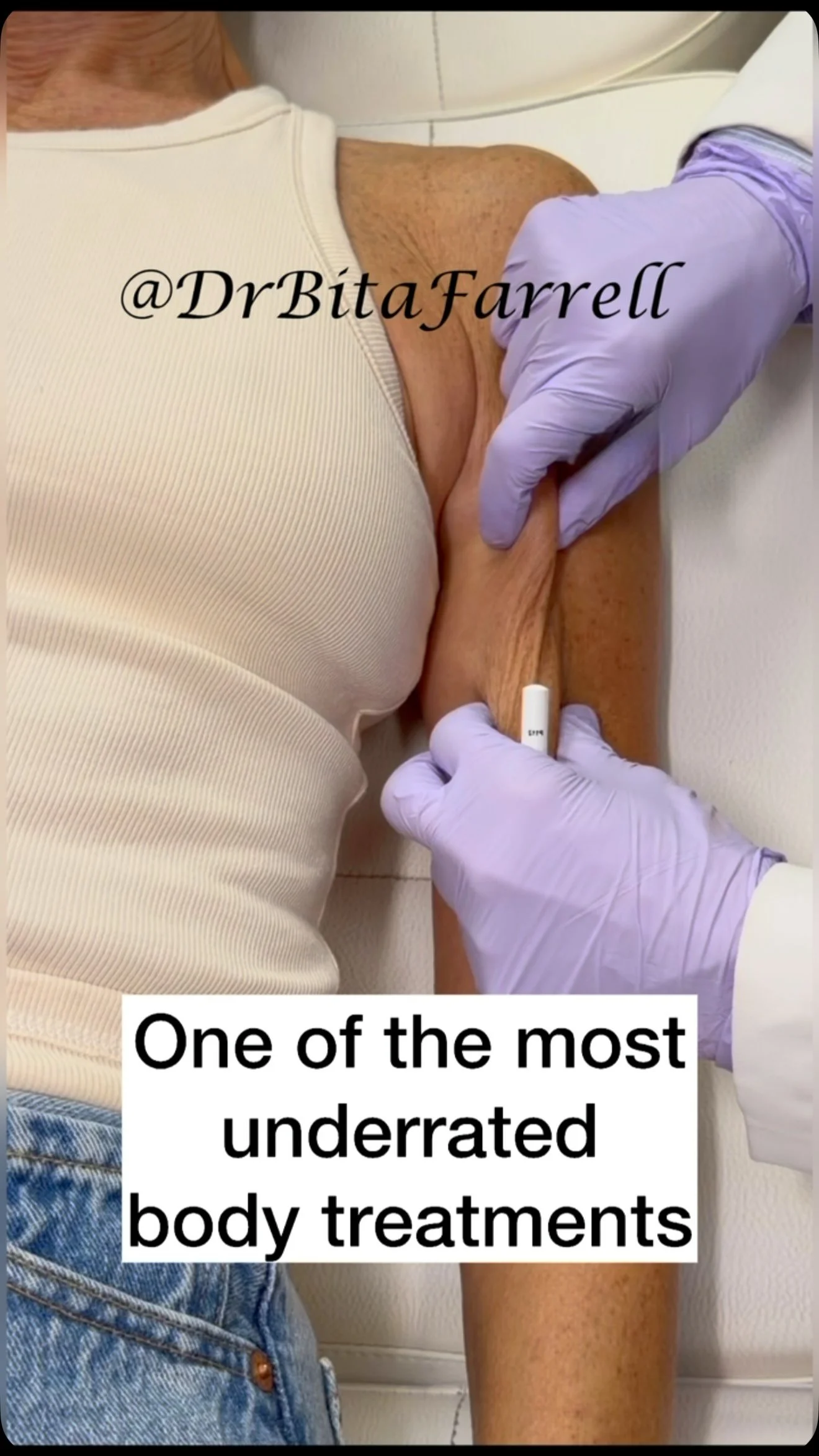
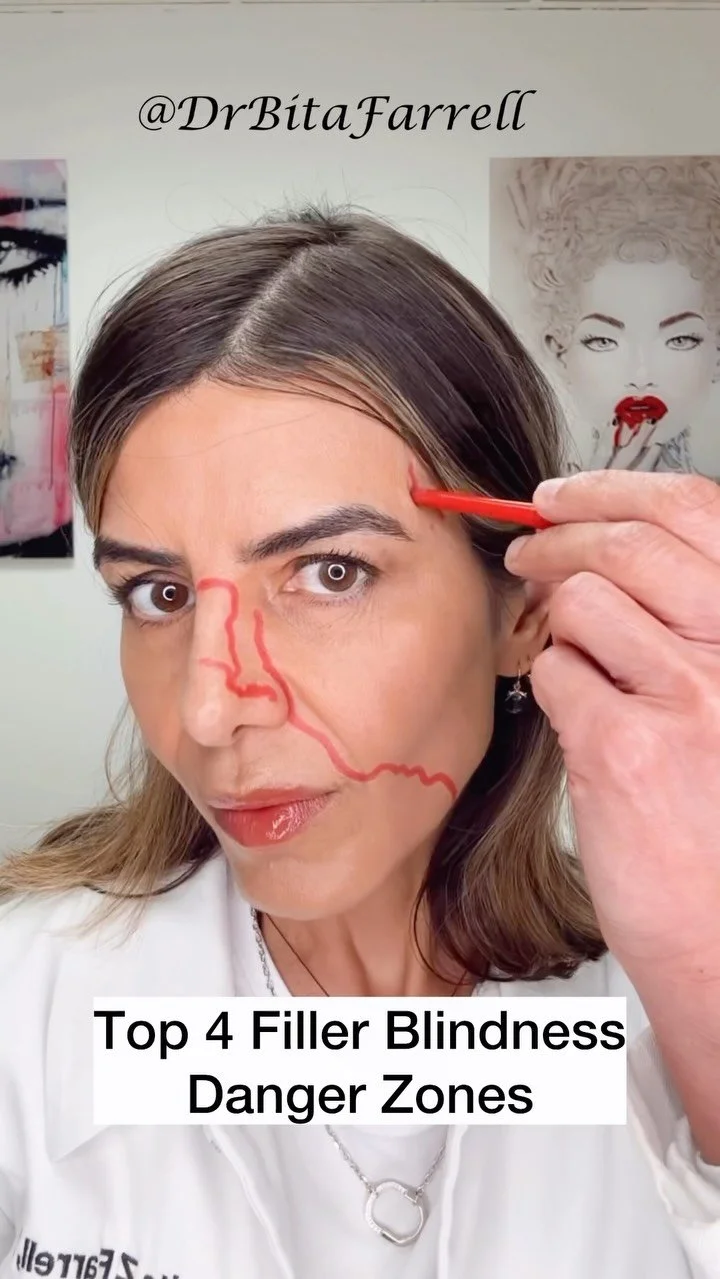
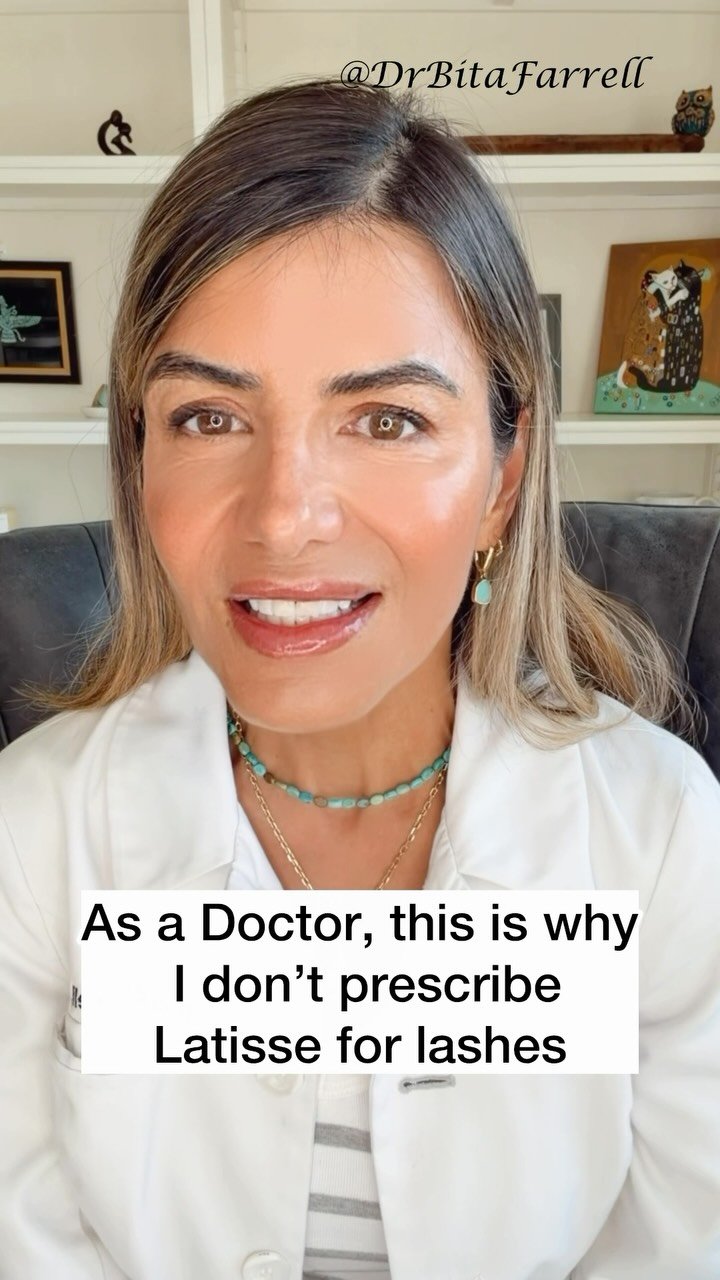
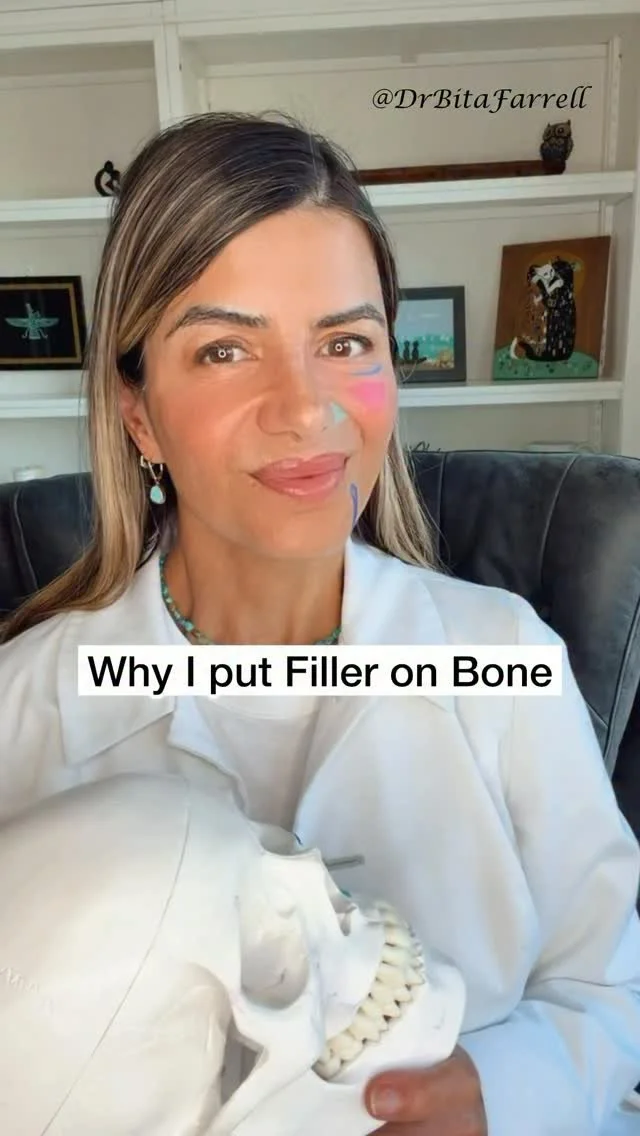
Safety, Anatomy, and Ultrasound-Guided Precision
Modern aesthetic medicine should never rely on guesswork. High-resolution facial ultrasound allows me to see beneath the skin, identify important vascular anatomy, evaluate tissue planes, and better understand what may already be present before treatment. In these videos, I show how I combine aesthetic ultrasound with a detailed understanding of anatomy to plan ultrasound-guided aesthetic injections with greater precision and an emphasis on safety. When I place dermal filler, that same ultrasound-guided filler approach means I am working from a clear picture of your individual anatomy.
Anyone can hold a syringe. The difference lies in the physician's judgment behind it: where to place product, how much, and when to do less. I share that reasoning openly here, because an educated patient and a careful physician produce the best results together.
The Reasoning Behind Natural Results
A beautiful result isn't simply about where to place a syringe. It requires an understanding of anatomy, facial movement, proportion, aging, and how different treatments interact with the face over time. Just as important is knowing how much to treat and when not to treat at all. I share the reasoning behind my approach because I believe informed patients make better decisions, and thoughtful, individualized treatment is the foundation of natural-looking results.
Questions After Watching? Here Is How To Reach Us.
What you see here is just a small selection of videos from my feed. I share new teaching regularly on Instagram, where the full collection of my lessons on aesthetic medicine lives. You are welcome to follow along and keep learning at @drbitaaesthetics.
If a video raises a question about your own care, I would be glad to talk it through. You can call the office at (805) 870-4487 or send a message through our contact form, and a member of our team will reply within 24 business hours.